
5 Things Every Author Website Needs
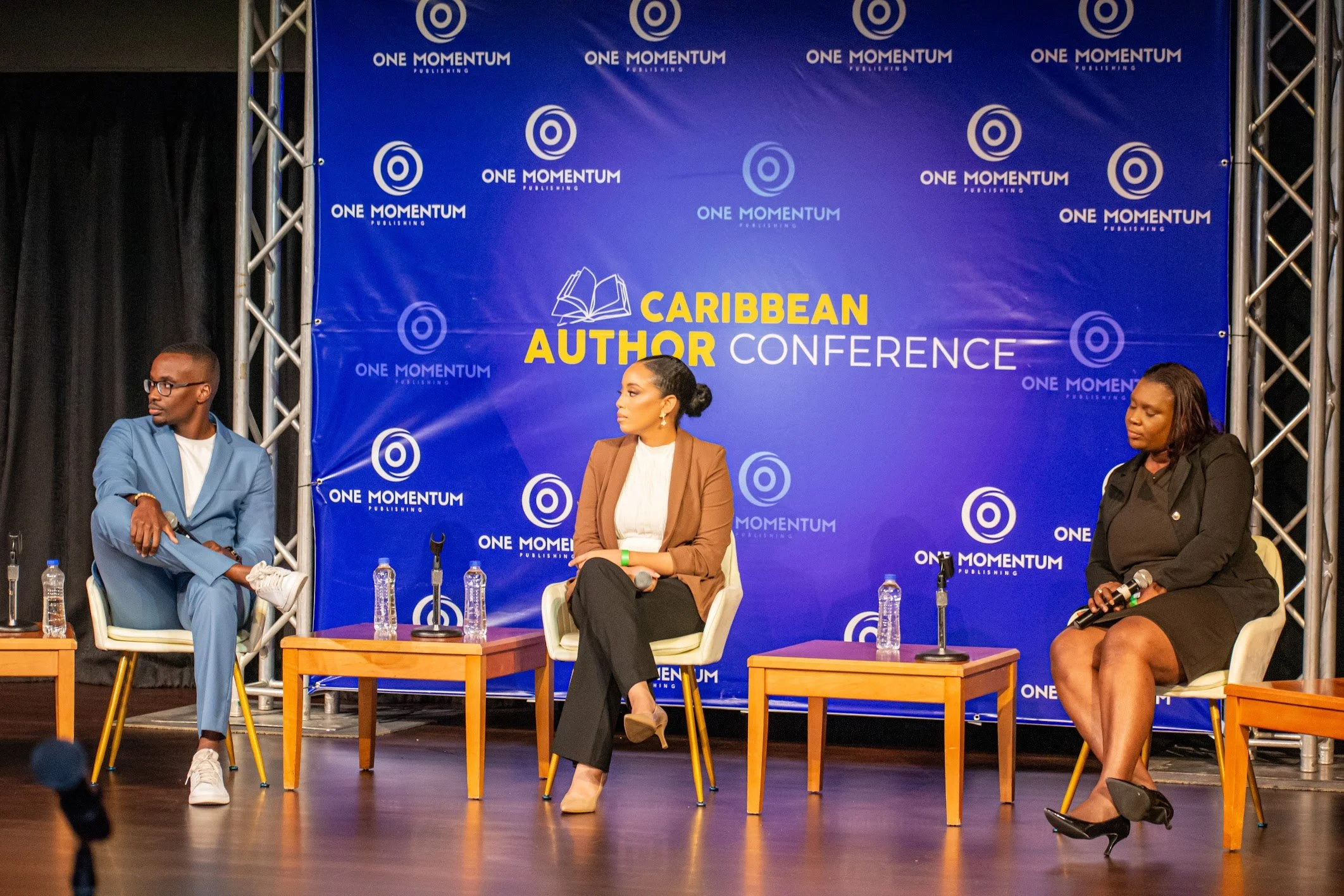
Congratulations! You just published your new book. Maybe this is your first book or maybe it’s the latest book project in a repertoire of books you have published. This is always a momentous occasion.
The book is published. Now what? What’s next? Most authors have spent many months, sometimes even years making their book project a reality that was the main and only thing on their mind… to make the book a reality, as you should. Getting a book from an idea in your head to something people can actually hold in their hands is no small thing. But now you might not have thought about what’s next.
But here's the part I want you to think about:
What happens after someone reads the book?
Because your book shouldn't be the end of your brand. It should be the beginning of something bigger.
Your author website is one of the best places to build that ecosystem. It's where someone can learn more about you, discover your books, join your community, hire you to speak, and take the next step into your work.
And no, your website doesn't need 27 pages to do all of that. It’s actually a lot simpler than that. It doesn’t need to be complicated either, it just needs to be intentional.
It needs the right pages and the right strategy behind them.
Here are five things I believe every author website should have.
1. An About Page That Actually Tells Your Story
Your About page shouldn't read like the back of your book jacket.
And it definitely shouldn't be a three-paragraph résumé listing every award, degree, and job you've ever had.
People who land on your website are trying to answer a much more important question:
Why should I care about what you have to say?
Your About page is where you get to go deeper into the story behind the author.
What brought you to this work?
What experiences shaped the book?
What do you believe?
Who do you help?
What makes your perspective different?
Your book may tell a particular story or teach a particular lesson, but you are the person people are ultimately connecting with.
So give them something to connect to.
This is especially important if your book is connected to a larger body of work. Your About page should help someone understand that this book is one piece of the bigger picture.
2. A Books Page That Makes It Easy to Buy
This one should be obvious, but I've seen enough author websites where I have to hunt around to figure out where the book actually is.
Please don't make people work that hard.
Your Books page should give visitors a clear place to:
See all of your books in one place
Learn what each book is about
Understand who the book is for
Preview or learn more about the book
Purchase directly from you
Find the book on Amazon or other retailers
And yes, I want you to consider selling directly from your own website.
Amazon is convenient, and some people will absolutely prefer to buy there. Give them that option. But when someone purchases directly from you, you have an opportunity to create a much deeper relationship with that reader.
You can offer a signed copy.
A bonus resource.
A workbook.
An exclusive video.
A companion guide.
Or simply a more personal buying experience.
Your website shouldn't just send everyone to Amazon and wave goodbye.
The goal is to turn a book buyer into a reader, a reader into a community member, and a community member into someone who continues to engage with your work.
3. A Newsletter That Gives People a Reason to Stay Connected
You are a writer.
So please don't let the writing stop when the book gets published.
Your email list is one of the most valuable pieces of your author ecosystem because it gives you a direct relationship with your audience.
And I'm not talking about throwing a generic "Join my newsletter!" box into your footer and calling it a day. Please for God’s sake DON’T DO THAT. Give people a reason to subscribe.
Maybe subscribers get:
Exclusive essays or reflections
Additional resources related to your book
Behind-the-scenes stories
Book recommendations
Worksheets or companion resources
Early access to new projects
Invitations to workshops or events
And here's where your book strategy matters.
You can create a general email list that nurtures people who haven't purchased your book yet and a post-purchase experience for people who have.
Think about it:
Someone buys your book. → They receive a welcome email. → Then a companion resource. → Then an invitation to a deeper conversation. → Then a workshop. → Then perhaps your next book.
Now you've created a journey instead of a transaction.
That's the difference between having a book and building a book-based brand.
If you're not sure how your book fits into your larger brand ecosystem, that's a strategy conversation worth having before you build the website.
4. A Blog or Articles Section
Again...
You're (now) a writer.
Your writing shouldn't end because the book has been published. Your blog gives you a place to continue the conversation. And no, I'm not telling you that you need to become a full-time blogger publishing three times a week. Your articles can expand on ideas from your book. They can answer questions your readers are asking. They can share your perspective on your industry. They can explore topics that didn't quite make it into the book.
And they're also incredibly useful for SEO.
Think about all the questions your ideal reader might be typing into Google. Those questions can become articles. Those articles can lead people to your website. And those people can discover your book, join your email list, book you for speaking, or eventually work with you.
Your book establishes your authority. Your ongoing content keeps that authority working for you.
5. A Speaking & Workshops Section
Here's where I really want authors to think bigger.
Your book is a brand asset.
It can become the foundation for an entire ecosystem of offers, experiences, and opportunities.
If your book tells a powerful story, there may be a keynote inside that story.
If your book is about self-improvement, there may be a workshop that helps people put those ideas into practice.
If you've written a workbook, there may be an entire interactive experience that organizations, conferences, schools, or businesses could hire you to facilitate.
So don't just put:
"Available for speaking engagements."
And an email address.
Tell people what you speak about. What topics do you cover? Who do you speak to? What can you offer? Do you offer keynotes? Workshops? Panels? Virtual sessions? Corporate training? Book talks?
Make it easy for an event organizer to look at your website and think:
"Yes. This is exactly who we need."
Your book doesn't have to be the final product. It can be the doorway into the next chapter of your business.
Your Author Website Should Work as Hard as Your Book
Here's the thing:
You don't need a complicated author website.
You need a strategic one.
A website that tells your story.
Makes your books easy to find and buy.
Builds your email list.
Keeps your ideas in circulation.
And creates opportunities for people to go deeper into your work.
Because your book is not just a book.
It's intellectual property. It's credibility. It's a conversation starter. It's a brand asset.
And your website should help you make the most of it.
And you know who is an Author who executes on all of these points flawlessly?
James Clear’s website, the Author of Atomic Habits. You want to create something like this. He has an entire ecosystem around his book and his framework. This is how you build your book as a brand asset for your personal brand as an Author, Speaker and Educator. You might not be all of these but you definitely want to think of all the ways your book can go further as your intellectual property and asset.
Ready to Build Your Author Website?
If you're an author who has been putting off your website because the idea of a six-month website project sounds exhausting...
Let's not do that.
My Website in a Day VIP is designed for authors and small business owners who need a strategic, polished website without dragging the process out for months.
You bring the content, images, and brand direction.
We spend time preparing strategically.
And then we build.
Three weeks ahead, you book your VIP Day.
Two weeks to prepare.
One day to build.
And then... launch.
Your book is already out in the world.
Let's make sure your website is ready to help it, and the brand behind it, go further.
Let’s Work Together
Ready to stop treating your website and brand assets like a one-time project, and start treating them like the intentional, revenue-supporting system they’re meant to be?
Book a Website Strategy Consultation or a Clarity Call to map out the next phase of your book launch and brand growth.
Ask about white-label partnerships if you are a leading creative agency seeking a trusted creative director.
Or simply reach out and let’s talk through what strategic support looks like for your stage of business — from refining your messaging and structure to designing a website that actually supports how you sell and grow.
You don’t have to figure out your next step on your own. But you do have to take the first step toward building something that truly supports you.
Frequently Asked Questions
-
Answer: Because your website isn’t just about it existing, you have a website but is it working. If it hasn’t been optimized, updated, or reviewed in the past 3–6 months, chances are it’s no longer aligned with your business goals. A strategy session helps you refocus and turn your site into a tool again, not just a placeholder.
-
Answer: This isn’t a generic chat. We’ll review your current website, identify where it's falling flat, and discuss what needs to shift, whether it’s content, structure, visibility (SEO), or conversion flow. You’ll leave with clarity, recommendations, and a roadmap you can use.
-
Answer: Absolutely. Most of the time, you don’t need a full rebuild, you need a professional eye and some smart, intentional tweaks. This session helps you maximize what you already have and build a phased plan if a full redesign ever becomes necessary.
-
Answer: Yes, my support packages are built with sustainability in mind.
Whether it’s a quarterly check-in, a flexible refresh plan, or a lightweight retainer, we can find a rhythm that works for your business and budget. The goal is consistent alignment, not constant updates.
-
Answer: I hear this more often than you’d think. What makes this different is the focus on strategy and relationship. We don’t just build things, I ask questions, guide decisions, and help you maintain your investment.
And if something isn’t the right fit, I’ll tell you. No fluff, no pressure.
-
Answer: Of course, you can! However, the better question is: are you actually doing it? If not, there’s no shame in that. Most business owners don’t have the time, capacity, or clarity to make the most strategic edits. That’s where I come in, to partner with you and take that weight off your plate.